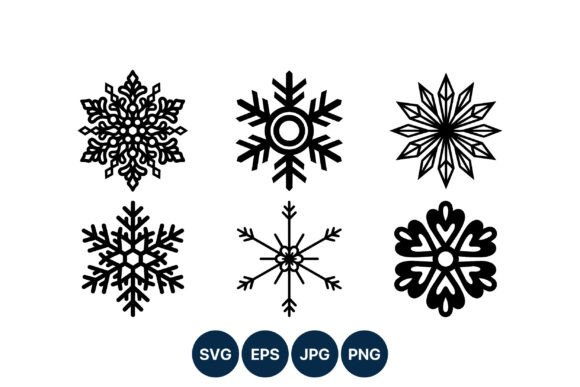
Hand Drawn Black Star Shapes
A Designer’s First Look: Simple, Warm, and Quietly Confident
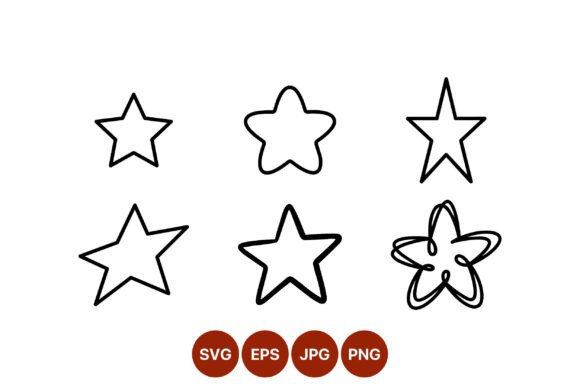
When I opened the Hand Drawn Black Star Shapes ZIP folder, what struck me wasn’t flash or complexity—it was intention. Six stars, each drawn by hand, each with its own quiet personality: one with a delicate single-line outline, another with a bold uneven stroke, a third with a subtle tapered edge that mimics ink bleeding just slightly into paper. They’re not symmetrical perfection—thank goodness—and they’re not overly ornate. They feel like something you’d sketch in the margin of a notebook while brainstorming ideas for a baby onesie or a small-batch kitchen towel line. That’s their strength: approachability with authenticity.
Where These Stars Actually Shine in Real Embroidery Projects
I tested one of the medium-sized stars on a natural linen tea towel—no print, no pattern, just soft, slightly nubby fabric. Stitched in matte black thread with a light tear-away stabilizer, it landed exactly as hoped: legible at arm’s length, charming up close, and unmistakably handmade. It didn’t shout. It invited touch. That’s why Hand Drawn Black Star Shapes works so well for boutique merchandise: embroidered aprons for a local bakery, pillow covers for a nursery brand, or minimalist sweatshirt fronts for a slow-living apparel line.
They also hold up beautifully on curved surfaces—like the front panel of a structured cotton cap—because none of the outlines rely on tight corners or micro-details. I used the thinnest star (just a clean 1.2mm stroke) for a set of personalized baby burp cloths, and the simplicity made stitching fast and consistent across 20+ pieces. No skipped stitches, no thread breaks, no re-hooping frustration. For Etsy sellers bundling digital embroidery files, these stars are ideal as standalone accents—or as subtle repeat elements in a border or corner motif.
What to Watch For: Practical Limits, Not Flaws
These aren’t dense fill-stitch designs, and that’s intentional—but it means they won’t carry visual weight on dark or heavily textured fabrics without thoughtful execution. On charcoal terry cloth towels? Yes—but only if you use high-contrast thread (ivory or cream) and add a light cutaway stabilizer underneath to prevent shadowing. On stretchy jersey tees? Proceed with caution: opt for the bolder-outline stars only, hoop with firm stabilizer, and avoid placing near seams or side panels where fabric movement distorts stitch alignment.
Small hoop sizes (under 4” diameter) are perfectly fine for most of the six stars—but the two with the most intricate line variation (the one with dotted interruptions, and the one with a faint double-outline effect) need breathing room. If you’re planning a tiny embroidered patch for a child’s backpack strap, stick to the three simplest silhouettes. And never assume they’ll read clearly on layered garments like quilted jackets unless you test stitch density first: too few stitches = lost definition; too many = stiff, plasticky texture.
Why Customers Notice the Difference
There’s a subtle but real shift in how people respond to embroidery that feels *drawn*, not generated. When I added the thickest-lined star to a set of organic-cotton tote bags for a local bookstore, customers kept commenting—not on “how cute the star is,” but on how “real” it felt. That perception matters. It builds trust in your craft business. It signals care. It makes a personalized gift feel more intimate, not mass-produced. For holiday embroidery or wedding favors, that warmth translates directly into perceived value—even when the stitch count is modest.
Designer Notes You’ll Actually Use
- Always test on scrap fabric first—especially if using textured weaves or blends. Linen, cotton canvas, and midweight denim all behave differently under needle tension.
- Check thread color contrast early. These stars rely on silhouette, not shading—so low-contrast combos (e.g., charcoal thread on navy fabric) will vanish unless you adjust stitch density or add a subtle satin-stitch border.
- Review stitch density before scaling. Enlarging the smallest star beyond 120% can cause thin lines to pixelate in stitch preview—better to choose a bolder variant than force a fragile one.
- Confirm hoop size compatibility. All six fit comfortably in a 5x7 hoop, but the two most detailed versions push the edges in a 4x4—verify your machine’s usable area.
- Inspect small details at actual stitch scale. Zoom in on your embroidery software: do those tapered ends stay clean? Does the “hand-drawn wobble” translate smoothly, or turn jagged?
- Test in black-and-white mockups—not just full-color. These stars live in monochrome; make sure they hold character without hue support.
- Use proper stabilizer: light tear-away for stable wovens, cutaway for knits or anything that will be washed often (baby items, kitchen towels).
- Verify licensing before selling finished products or bundling into digital embroidery files. Since Hand Drawn Black Star Shapes falls under Illustrations and Graphics, confirm whether commercial use is included—many designers overlook this until an Etsy listing gets flagged.
Final Thought: A Thoughtful Tool, Not a Trend
Hand Drawn Black Star Shapes won’t dominate a busy design layout—and it’s not meant to. Its power lies in restraint: a grounding element for a custom embroidered patch collection, a quiet signature on a small shop’s packaging, a reassuring motif on a baby blanket that says “made with attention,” not algorithm. As a designer who’s stitched hundreds of client projects—from boutique apparel lines to holiday market booths—I reach for these stars when I want clarity, calm, and craftsmanship to speak first. They’re not flashy. They’re faithful. And in handmade product development, that kind of reliability is rare—and deeply valuable.